
AT A GLANCE
Adhering to an 8-hour eating window and fasting for 16 hours as outlined in Intermittent Fasting 16:8: A Practical Guide is a highly effective, sustainable strategy for weight management and metabolic health in 2026.
- Fasting for 16 hours daily helps tap into stored body fat for fuel instead of relying on constant glucose intake.
- Clinical trials evaluated by the Mayo Clinic suggest structured fasting can lower insulin resistance by 20% to 31%.
- The most popular eating window is 12:00 p.m. to 8:00 p.m. because it allows you to skip breakfast while maintaining regular social dinner plans.
Individual results vary based on your dietary choices during the eating window and your personal medical history.
What Is the 16:8 Intermittent Fasting Method?
The 16:8 intermittent fasting method is a time-restricted eating pattern where you consume all your daily calories within a set 8-hour window and fast for the remaining 16 hours. This approach does not dictate which foods you must eat, but rather focuses on when you eat them. By extending your natural overnight fast, you allow your body to reset and burn fat more efficiently.
Historically, humans did not eat around the clock. Your digestive system benefits from having a defined period of rest. During the fasting state, your insulin levels drop significantly, which facilitates fat burning. It is a straightforward, accessible way to structure your meals without counting every single calorie.
How to Start 16:8 Intermittent Fasting
Starting this journey requires picking a timeline that aligns with your daily routine and work commitments. Consistency is far more important than perfection when you begin. Most people find that their bodies adapt to the new schedule within three to seven days.
Choosing Your 8-Hour Window
Your eating window should reflect your lifestyle, sleep schedule, and hunger patterns. Here are the three most common schedules you can choose:
- The Midday Window (12:00 p.m. to 8:00 p.m.): This is the most popular choice for beginners because you only skip breakfast, eat a standard lunch and dinner, and can still enjoy evening social meals.
- The Early Window (9:00 a.m. to 5:00 p.m.): This schedule works well for early risers who prefer a hearty breakfast and want to avoid heavy meals close to bedtime.
- The Late Window (2:00 p.m. to 10:00 p.m.): This option suits night owls or shift workers who tend to stay up late and prefer eating their largest meal in the evening.
What You Can Drink While Fasting
Staying hydrated is essential during your fasting window to control hunger pangs and support cellular function. You must stick to beverages that do not trigger an insulin response. The following drinks are safe to consume during your 16-hour fasting window:
- Plain water: You can drink tap, sparkling, or mineral water, but avoid pre-sweetened flavor enhancers.
- Black coffee: Plain coffee without sugar, milk, or cream is acceptable and can help suppress appetite.
- Unsweetened tea: Green, black, or herbal teas are excellent choices that provide antioxidants without breaking your fast.
What to Eat During Your Eating Window
What you eat during your 8-hour window determines the success of your fasting routine. Fasting is not a free pass to eat highly processed foods or sugary treats. The U.S. Department of Agriculture (USDA) emphasizes the importance of nutrient-dense whole foods to maintain optimal health and prevent nutrient deficiencies.
Focus on building meals around these nutrient-dense food groups:
- Lean proteins: Include chicken, turkey, fish, tofu, eggs, and legumes to preserve muscle mass and keep you feeling full.
- Complex carbohydrates: Choose whole grains like quinoa, brown rice, oats, and barley to provide sustained energy.
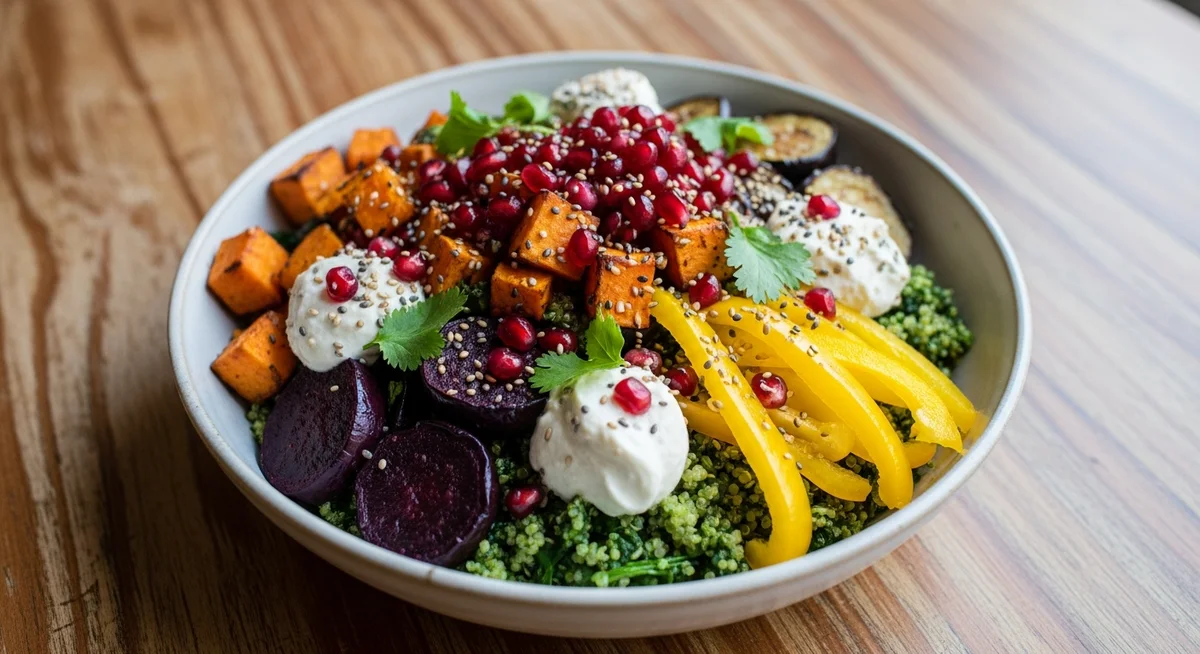
- Healthy fats: Incorporate avocados, olive oil, nuts, and seeds to support hormone health and nutrient absorption.
- Fiber-rich vegetables: Load up on broccoli, Brussels sprouts, spinach, and kale to aid digestion and promote gut health.
Health Benefits of Intermittent Fasting 16:8: A Practical Guide
Many people adopt the 16:8 intermittent fasting method to support sustainable weight loss. By limiting your eating time, you naturally reduce your daily calorie intake. In addition, lower insulin levels make stored body fat more accessible for energy.
Beyond weight management, this routine offers significant metabolic benefits. Research from the Mayo Clinic indicates that fasting can reduce markers of inflammation and lower low-density lipoprotein (LDL) cholesterol levels. Giving your gut a break also promotes cellular repair processes, known as autophagy, where your body clears out damaged cells.
Potential Side Effects and Who Should Avoid It
While the 16:8 method is safe for most healthy adults, you may experience mild side effects as your body adjusts. Common initial symptoms include mild headaches, hunger, irritability, and low energy levels. These symptoms usually resolve within one week as your metabolism becomes more flexible.
Certain groups of people should avoid fasting altogether or seek professional advice first. If you have a history of eating disorders, are pregnant, or are breastfeeding, you should not fast. Individuals with type 2 diabetes or those taking blood pressure medications must consult their healthcare provider to adjust dosages before changing their eating schedule.
Tips for Success and Staying Consistent
Sticking to your fasting schedule requires planning and a mindful approach. Small adjustments to your environment and habits will make the transition much smoother. Use these practical tips to build a sustainable fasting routine:
- Hydrate constantly: Drink a glass of water whenever you feel a sudden wave of hunger, as thirst is often mistaken for appetite.
- Plan your meals ahead: Prepare your lunch and snacks the day before so you are not tempted by fast food when your eating window opens.
- Focus on sleep: Aim for seven to nine hours of quality sleep each night to help regulate hunger hormones like ghrelin and leptin.
- Be flexible when necessary: If a social event or family gathering falls outside your window, adjust your hours for that day without guilt.