WHAT YOU NEED TO KNOW
Learning how to manage blood pressure outside office visits is essential for maintaining heart health and preventing complications like heart attacks and strokes. Everyday lifestyle habits combined with consistent home blood pressure management offer a clear, realistic picture of your cardiovascular status.
- 150 minutes of moderate physical activity per week can lower systolic blood pressure by 5 to 8 mm Hg.
- Limiting daily sodium intake to 1,500 mg can reduce high blood pressure by 5 to 6 mm Hg.
- Taking 2 daily measurements (morning and evening) provides reliable tracking for clinical evaluations.
- Losing 1 kg (2.2 lbs) of excess body weight lowers systolic blood pressure by roughly 1 mm Hg.
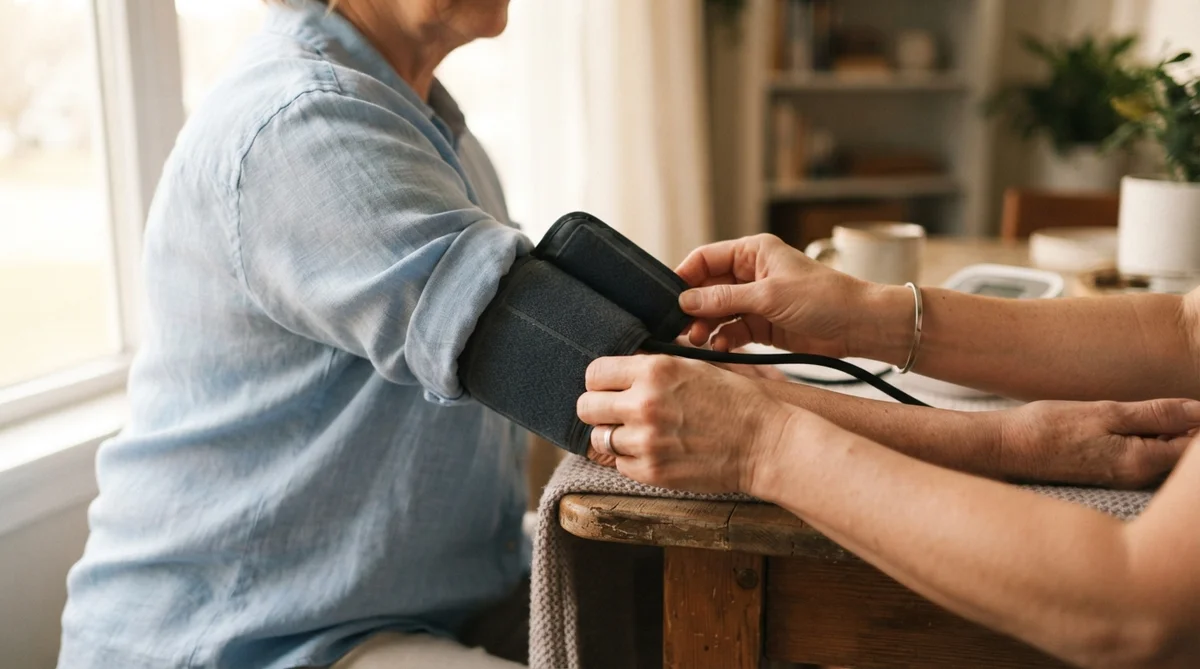
Proper cuff positioning and taking resting measurements are the most vital factors for ensuring reading accuracy at home.
Understanding Blood Pressure Categories
Blood pressure readings consist of 2 numbers measured in millimeters of mercury (mm Hg). The top number represents systolic pressure, which measures the force against arterial walls when the heart beats. The bottom number represents diastolic pressure, which measures force when the heart rests between beats.
According to clinical guidelines published by the Mayo Clinic, blood pressure falls into 5 distinct categories. Knowing where your numbers sit helps determine what daily lifestyle adjustments or medical discussions are necessary.
| Category | Systolic (mm Hg) | Diastolic (mm Hg) | Recommended Action |
|---|---|---|---|
| Normal | Less than 120 | Less than 80 | Maintain healthy lifestyle habits |
| Elevated | 120 to 129 | Less than 80 | Adopt diet and exercise changes |
| Stage 1 Hypertension | 130 to 139 | 80 to 89 | Lifestyle modifications and possible medication |
| Stage 2 Hypertension | 140 or higher | 90 or higher | Lifestyle changes and medical management |
| Hypertensive Crisis | Higher than 180 | Higher than 120 | Recheck immediately and seek prompt medical care |
How to Monitor Your Blood Pressure Accurately at Home
Research highlighted by the American Medical Association demonstrates that how prioritizing bp control can transform care when patients track readings outside the clinic. Office readings can sometimes be artificially high due to white-coat hypertension or artificially low due to masked hypertension. Consistent home monitoring delivers accurate long-term trends.
To establish an effective self-monitoring routine at home, follow these standard requirements:
- Select an automated, upper-arm cuff monitor that has been clinically validated.
- Ensure the cuff sleeve fits your upper arm circumference correctly to avoid inaccurate readings.
- Keep a digital or paper log of every measurement to share with your healthcare provider.
Best Practices for Self-Measurement
Small variables can distort your blood pressure numbers by 10 to 15 mm Hg. Applying consistent preparation habits ensures your recorded numbers accurately reflect your daily cardiovascular health.
- Avoid caffeine, exercise, and smoking for at least 30 minutes before taking a reading.
- Empty your bladder prior to testing, as a full bladder can elevate readings by up to 10 mm Hg.
- Sit quietly in a chair with back support for 5 minutes before pressing start.
- Keep both feet flat on the floor without crossing your legs or ankles.
- Rest your bare arm on a flat surface so the cuff aligns directly at heart level.
- Measure at the exact same times twice daily, once in the morning and once in the evening.
How to Manage Blood Pressure Outside Office Settings with Lifestyle
Discovering natural ways to lower bp allows you to take direct control of your cardiovascular wellness. Sustainable daily habits directly lower systemic vascular resistance and support vascular elasticity over time.
Eat a Heart-Healthy, Low-Sodium Diet
Dietary choices exert an immediate impact on arterial pressure. Adopting structured eating models like the Dietary Approaches to Stop Hypertension (DASH) diet or the Mediterranean diet emphasizes whole grains, fruits, vegetables, lean proteins, and low-fat dairy.
Reducing dietary sodium remains one of the fastest nutrition interventions. The Centers for Disease Control and Prevention recommends limiting sodium to 2,300 mg per day, though reducing intake to 1,500 mg per day yields optimal cardiovascular results. You can achieve this by eating fewer processed foods, flavoring meals with herbs instead of table salt, and exploring the broader scope of lifestyle medicine benefits.
Exercise Regularly and Maintain a Healthy Weight
Physical activity strengthens the heart muscle, allowing it to pump more blood with less exertion. Meeting standard physical activity guidelines for Americans means getting at least 150 minutes of moderate aerobic exercise or 75 minutes of vigorous activity weekly.
Aerobic activities like brisk walking, cycling, swimming, and water aerobics lower systolic blood pressure significantly. Complementing cardio with 2 days of strength training further enhances vascular metabolic health.
Weight reduction strongly correlates with blood pressure reduction. Carrying excess weight around the abdominal region increases vascular strain, making waist circumference a key health risk indicator. Waist measurements exceeding 40 inches for men or 35 inches for women carry heightened hypertension risks.
Manage Stress and Improve Sleep Quality
Chronic psychological stress triggers persistent adrenaline release, increasing heart rate and narrowing blood vessels. Integrating daily relaxation practices like deep breathing exercises, walking in nature, or mindfulness meditation helps stabilize heart rate variability.
Sleep duration directly regulates vascular endocrine function. Getting fewer than 7 hours of sleep nightly increases hypertension risks. Learning how to sleep better naturally by keeping a consistent bedtime and maintaining a dark, cool bedroom setting supports overnight blood pressure dipping.
Limit Alcohol, Caffeine, and Tobacco Use
Consuming excessive alcohol elevates blood pressure and interferes with antihypertensive medications. Health guidelines recommend limiting consumption to 1 drink or fewer per day for women and 2 drinks or fewer per day for men.
Nicotine from cigarettes, cigars, or electronic vaping devices increases blood pressure instantly upon inhalation. Quitting tobacco restores normal endothelial function and sharply decreases long-term heart disease risks.
How to Handle Sudden Blood Pressure Spikes
An isolated high reading does not automatically signal a medical emergency if you feel otherwise normal. Temporary spikes frequently stem from sudden stress, recent physical exertion, or caffeine consumption.
- Sit down comfortably in a quiet space away from noise or distractions.
- Practice slow, deep diaphragmatic breathing for 5 to 10 minutes.
- Drink a glass of water, as mild dehydration can elevate readings.
- Retake your blood pressure using proper technique after resting.
- Record the numbers in your log to evaluate if the spike was isolated.
When to Seek Emergency Medical Attention
A hypertensive crisis occurs when blood pressure rises sharply above 180 mm Hg systolic or 120 mm Hg diastolic. If your home monitor displays numbers in this range, wait 5 minutes and test again.
If your second reading remains elevated and is accompanied by any of the following acute organ damage symptoms, seek emergency medical services immediately:
- Severe, sudden headache unlike prior headaches.
- Chest pain, pressure, or tightness radiating to the arm or jaw.
- Shortness of breath or difficulty catching your breath while resting.
- Sudden numbness, weakness, or difficulty speaking.
- Changes in vision, such as sudden blurriness or loss of sight.