

WHAT YOU NEED TO KNOW
The newly released dietary guidelines for americans focus heavily on consuming whole, real foods to reverse climbing national chronic disease rates. This federal guidance marks a significant policy reset by prioritizing nutrient-dense proteins and healthy fats while discouraging processed additives.
- The guidelines recommend a daily protein intake of 1.2 to 1.6 grams per kilogram of body weight.
- More than 70% of American adults are overweight or obese, according to Centers for Disease Control and Prevention (CDC) statistics.
- Added sugars are strictly limited to no more than 10 grams in any single meal.
- Daily sodium intake should remain under 2,300 mg for the general population aged 14 and older.
While these general targets provide a strong baseline, you must adjust your daily portions based on your individual age, sex, and physical activity level.
What Are the Dietary Guidelines for Americans?
The dietary guidelines for americans are joint policy recommendations published every five years by the U.S. Department of Agriculture (USDA) and the U.S. Department of Health and Human Services (HHS). These recommendations dictate federal nutrition programs, school lunch menus, and public health initiatives nationwide. Every five years, the policy is updated to reflect the latest scientific consensus on human health and metabolic wellness.
The newly released dietary guidelines for americans 2025 2030 represent a major shift toward whole, unprocessed foods. This update aims to curb a national health crisis where nearly 90% of healthcare spending goes toward treating chronic conditions. By promoting nutrient-dense options, the policy seeks to help citizens manage weight, improve metabolic health, and maintain physical readiness.
What Are the Core Recommendations for a Healthy Eating Pattern?
A healthy eating pattern prioritizes real foods in their natural state while minimizing industrial processing. To structure your meals effectively under the dietary guidelines for americans 2025 2030, focus on loading your plate with essential macro and micronutrients. Your exact calorie needs depend on your age, sex, height, weight, and daily physical activity level.
To meet the standard daily recommendations based on a typical 2,000-calorie pattern, you should incorporate specific portions of the core food groups:
- High-quality proteins: Consume 1.2 to 1.6 grams of protein per kilogram of body weight daily. Choose a variety of animal sources like eggs, poultry, seafood, and red meat, alongside plant sources like beans, lentils, nuts, and seeds.
- Whole dairy: Incorporate three servings of dairy per day. Choose full-fat dairy options with no added sugars to gain essential fats, proteins, and vitamins.
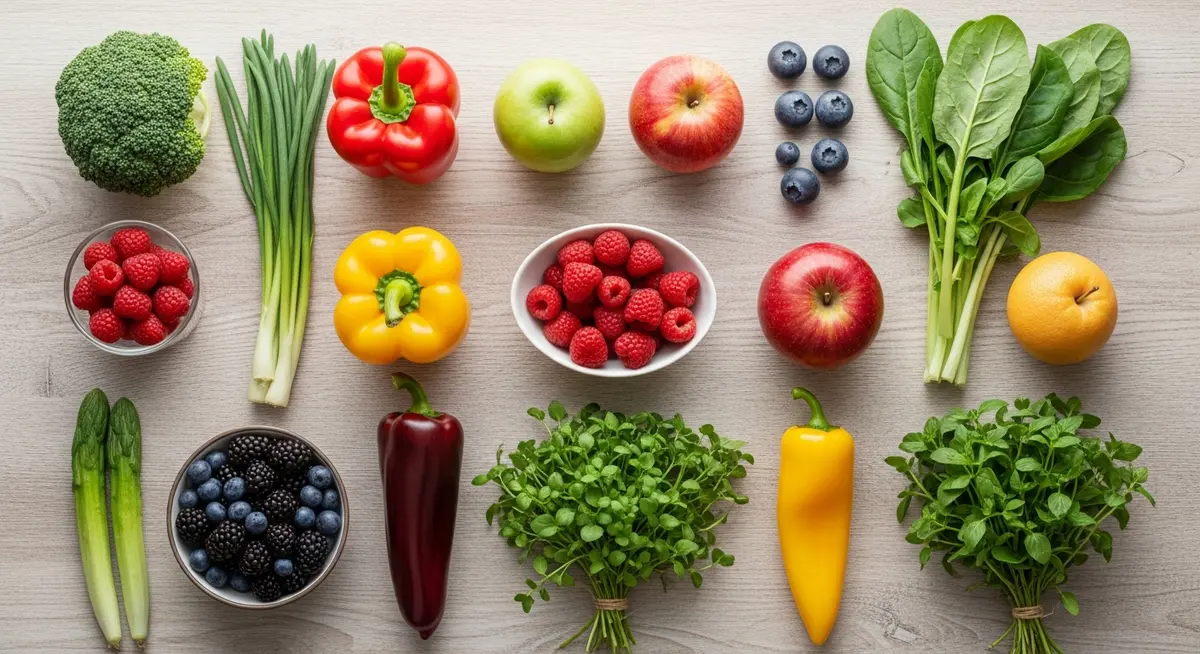
- Vegetables: Consume at least three servings of vegetables per day. Focus on eating colorful, whole vegetables in their original form rather than highly processed alternatives.
- Fruits: Target two servings of fruits per day. Limit 100% fruit juices, preferring whole, fiber-rich fruits to support healthy blood sugar regulation.
- Whole grains: Eat two to four servings of fiber-rich whole grains daily. Reduce your intake of refined carbohydrates like white bread, flour tortillas, and packaged breakfast products.
- Healthy fats: Prioritize oils rich in essential fatty acids, such as olive oil, when cooking or adding fats to meals. Saturated fats from animal sources should not exceed 10% of your total daily calories.

Which Nutrients and Foods Should You Limit?
To protect your cardiovascular system and gut microbiome, you must limit ingredients that fuel inflammation and metabolic dysfunction. Highly processed packaged foods, ready-to-eat meals, and sugary snacks should be omitted from your regular routine. When you dine out, make a conscious effort to seek out nutrient-dense options rather than deep-fried dishes.
The federal guidelines outline strict daily limits for several key dietary inputs:
- Added sugars: Keep added sugars under 10 grams per single meal. Avoid sugar-sweetened beverages like sodas, fruit drinks, and energy drinks, which carry no nutritional value.
- Non-nutritive sweeteners: Limit your intake of low-calorie sweeteners such as aspartame, sucralose, saccharin, and acesulfame K. The guidelines do not recommend these as part of a healthy diet.
- Sodium: Keep daily sodium intake under 2,300 mg to support healthy blood pressure. Highly active individuals may increase this target to offset sweat losses during intense exercise.
- Chemical additives: Avoid foods and beverages that contain artificial flavors, petroleum-based dyes, and artificial preservatives.
- Alcohol: Limit or eliminate alcoholic beverages to support better overall health. Pregnant individuals, those recovering from alcohol use disorder, and people on specific medications should avoid alcohol completely.
What Is the Targeted Guidance by Life Stage?
Nutritional requirements shift dramatically as you age, making customized targets essential for every family member. The federal guidelines provide specific advice to support rapid development, reproductive health, and senior vitality. Ensuring that each age group receives target-appropriate nutrition helps prevent chronic illnesses early in life.
What Do Infants and Toddlers (Birth to 23 Months) Need?
For about the first six months of life, feed your baby exclusively with breast milk. When breast milk is not available, use iron-fortified infant formula. Continue breastfeeding as long as mutually desired for two years or beyond, and stop formula feeding by age one. Avoid any added sugars or highly processed foods for children under the age of two to protect their developing metabolic systems.
What Is Recommended for Pregnancy and Lactating Women?
Pregnant and lactating individuals must prioritize nutrient-dense foods to support fetal growth and milk production. Focus on high-quality proteins, folate-dense leafy greens, and healthy fats while completely avoiding alcohol. Consult your healthcare provider to determine if you require supplemental prenatal vitamins, iron, or vitamin D to meet your elevated nutritional demands.
How Should Adults and Older Adults Eat?
As metabolism naturally slows, adults and older adults must maximize nutrient density while controlling portion sizes to prevent weight gain. Prioritize daily protein intake at 1.2 to 1.6 grams per kilogram of body weight to prevent age-related muscle loss. Focus on fiber-rich whole grains and fermented foods like kefir, kimchi, or sauerkraut to maintain a diverse gut microbiome and support healthy digestion.
How Are the Dietary Guidelines Developed?
To understand how these recommendations shape school lunch trays and medical advice, it helps to review the us dietary guidelines history. The federal government has provided public nutrition advice for more than 100 years. The official guidelines document has been updated and published every five years since 1980.
The development process begins with a chartered scientific advisory committee that reviews thousands of peer-reviewed nutrition studies. This committee submits a detailed scientific report to the USDA and HHS, who then draft the final policy guidelines. While the 2020 dietary guidelines previously emphasized incremental dietary shifts, the current 2025–2030 guidelines mark a direct return to simple, whole-food recommendations.
What Are the Expert Critiques of the Current Guidelines?
While the latest guidelines represent a progressive step toward simple, real foods, many medical professionals argue the recommendations should be more direct. Critics highlight several areas where public health messaging could be clearer to help combat metabolic disease. Understanding these critiques can help you make more informed decisions for your personal health journey.
Common criticisms from the nutrition science community include:
- Saturated fat restrictions: Some researchers argue that capping saturated fat at 10% of daily calories is too restrictive. They note that more high-quality research is needed on healthy fats from whole sources like grass-fed dairy and meat.
- Sweetener ambiguity: Although the guidelines discourage non-nutritive sweeteners, critics argue they should explicitly warn against the metabolic impacts of diet sodas and processed diet foods.
- Socioeconomic barriers: Many low-income families struggle to afford fresh, whole foods. Critics suggest that federal incentives must do more to make these options accessible to all households.
Where Can You Find Official Tools and Resources?
You can utilize several free digital resources to help implement these healthy eating patterns in your home. The federal government hosts interactive portals designed to simplify meal planning and nutritional tracking. These tools are designed to translate complex scientific guidelines into actionable everyday habits.
- RealFood.gov: The central website where you can read the complete policy document, download shopping lists, and view meal-prep guides.
- The DRI Calculator: A professional tool provided by the USDA to help you calculate your personal daily calorie, vitamin, and macronutrient targets based on your body metrics.
- The Physical Activity Guidelines: A resource managed by HHS that outlines how to pair healthy eating with exercise to lower your risk of chronic disease and build physical strength.