

WHAT YOU NEED TO KNOW
A sustainable healthy living guide is built on small, consistent choices rather than drastic, short-lived overhauls.
- Aim for at least 150 minutes of moderate exercise weekly to sustain cardiovascular health.
- Fill 50 percent of your meal plate with colorful fruits and vegetables.
- Dedicate seven to nine hours per night to restorative, quality sleep.
- Limit daily sodium intake to under 2,300 milligrams to protect blood pressure.
Your individual path depends entirely on your current lifestyle baseline and unique medical needs.
How Do You Set Realistic Goals for Long-Term Success?
You start by focusing on tiny, measurable behaviors instead of vague, sweeping resolutions. The American Heart Association suggests focusing on cardiovascular and metabolic health metrics as a framework for tracking your wellness progress in 2026. Using a structured healthy lifestyle checklist helps you monitor these behaviors daily without feeling overwhelmed.
By aiming for a 10 percent improvement in one area, such as drinking more water, you build the momentum needed for larger changes later. Success comes from compounding these small shifts over several months.
How Does a Healthy Living Guide Approach Plate Balance?
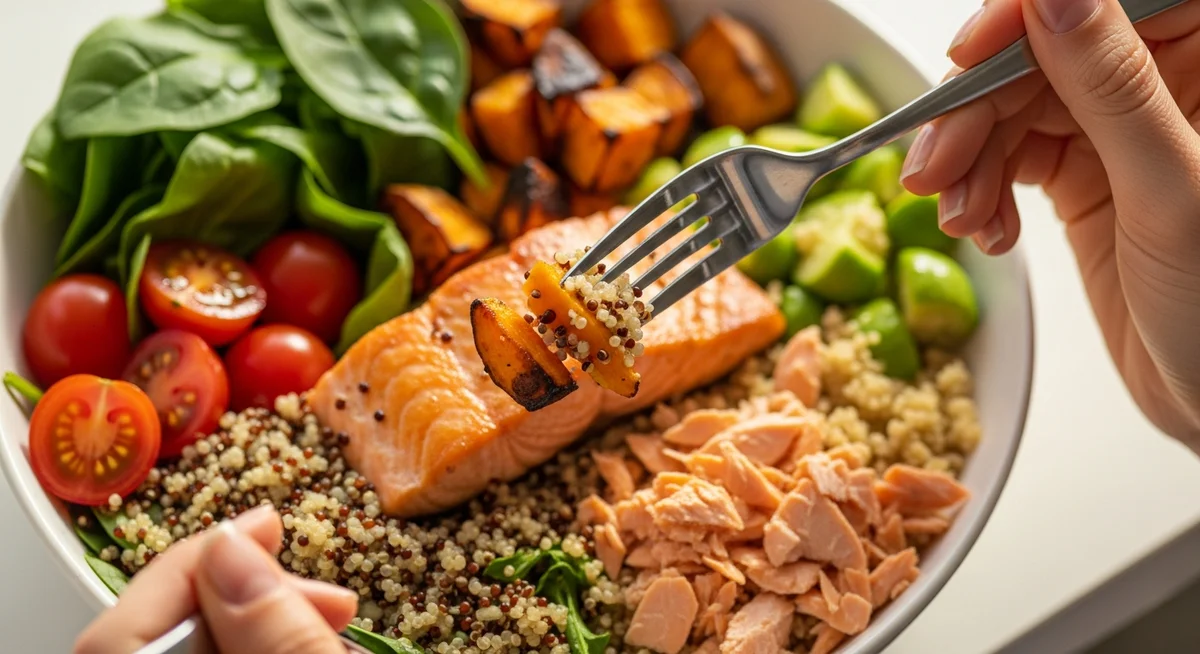
A balanced plate prioritizes nutrient-dense foods in portion sizes that fuel your body without overstuffing it. As highlighted in the healthy living guide 2023 2024 editions from major public health departments, utilizing a visual plate model simplifies meal creation. By dividing your plate into quarters, you can easily allocate space for lean proteins, whole grains, and colorful produce.
Why Prioritize Whole Foods and Portion Control?
Whole foods provide essential vitamins and fiber that processed foods strip away during manufacturing. Focusing on these minimally processed ingredients helps regulate blood sugar and keeps you feeling full longer.
- Fill half your plate with non-starchy vegetables like spinach, broccoli, or bell peppers.
- Dedicate one-quarter of your plate to lean proteins such as poultry, fish, beans, or tofu.
- Allocate the remaining one-quarter of your plate to complex carbohydrates like quinoa, brown rice, or sweet potatoes.
- Incorporate one to two tablespoons of healthy fats, such as olive oil, avocados, or nuts, to support nutrient absorption.
Which Foods Should You Limit for Heart Health?
You should minimize foods high in saturated fats, added sugars, and sodium to keep your arteries and heart functioning optimally. The United States Department of Agriculture (USDA) recommends limiting sodium intake to less than 2,300 milligrams per day to maintain healthy blood pressure levels.
- Ultra-processed snacks like chips and packaged baked goods that contain trans fats.
- Sugar-sweetened beverages including sodas, energy drinks, and sweetened juices.
- Excessive red and processed meats such as bacon, sausage, and hot dogs.
- Refined grains like white bread and pastries that cause rapid spikes in blood sugar.
How Do You Master Mindful Eating and Food Psychology?
Mindful eating teaches you to pay close attention to your body’s physical hunger cues instead of eating out of boredom or stress. This practice, championed in the classic healthy living guide 2022 2023 materials, emphasizes slowing down during meals.
By chewing your food thoroughly and putting your fork down between bites, you allow your brain up to 20 minutes to register fullness. This psychological shift helps prevent overeating and increases the genuine enjoyment of your meals.
How Do You Shop and Plan Meals on a Budget?
You can reduce your grocery bills by planning your meals around weekly sales, buying in bulk, and sticking to a strict shopping list. Preparing a menu in advance prevents impulse purchases and minimizes food waste, which saves the average family hundreds of dollars annually.
According to research from the Mayo Clinic, planning meals also leads to higher dietary quality and a lower risk of obesity. By dedicating some time each week to planning, you ensure you always have nutritious options on hand.
- Buy frozen or canned vegetables which are just as nutritious as fresh options but cost up to 50 percent less and last much longer.
- Choose plant-based proteins like lentils, chickpeas, and black beans to replace expensive cuts of meat multiple times a week.
- Shop the perimeter of the store first where fresh produce, lean meats, and dairy are located, avoiding costly processed foods in the center aisles.
- Batch cook large portions of grains and proteins on the weekend to create quick, budget-friendly meals throughout the week.
How Do You Integrate Physical Activity into Daily Life?
You should aim for at least 150 minutes of moderate aerobic activity or 75 minutes of vigorous activity every week to maintain optimal health. You do not need an expensive gym membership to meet these targets; walking, cycling, or doing bodyweight exercises at home are highly effective.
Breaking your daily exercise into ten-minute bouts can make staying active much more manageable for a busy schedule. The key is consistency, so select activities you enjoy to ensure you stay active over the long term.

How Do You Manage Stress and Prioritize Sleep?
You can manage stress and prioritize sleep by identifying your daily pressure points and establishing a wind-down routine that signals your brain it is time to rest. Chronic stress and poor sleep disrupt your hormone levels, which can lead to increased cravings, weight gain, and weakened immunity.
What Are Practical Strategies for Quality Sleep?
You can optimize your sleep by establishing a regular bedtime routine and keeping your bedroom cool, dark, and quiet. Avoid screens for at least 60 minutes before bed, as blue light interferes with your body’s production of melatonin.
Keeping your bedroom temperature around 65 degrees Fahrenheit (about 18 degrees Celsius) supports your body’s natural cooling process during sleep. Aim to wake up at the same time every day, even on weekends, to keep your circadian rhythm in sync.
What Are Quick Stress-Relief Exercises?
You can lower your heart rate and calm your nervous system in just five minutes using targeted breathing and relaxation techniques. These simple exercises can be performed anywhere, whether you are at your desk or relaxing at home.
- The 4-7-8 breathing method where you inhale for four seconds, hold for seven seconds, and exhale slowly for eight seconds.
- Progressive muscle relaxation which involves tensing and then releasing different muscle groups starting from your toes up to your shoulders.
- A brief five-minute walk outdoors without your phone to clear your mind and enjoy natural sunlight.
How Do You Establish Healthy Daily Habits for the Whole Family?
You can foster a healthy home environment by involving everyone in meal preparation, limiting screen time, and planning active family outings. Leading by example is the most powerful tool, as children are highly likely to mimic the daily health choices of their parents.
Making these changes fun rather than restrictive ensures that the habits endure for years to come. Gathering input from everyone helps build a sense of shared responsibility.
- Cook meals together to teach children basic culinary skills and expose them to diverse, nutritious ingredients early in life.
- Establish screen-free zones during family dinners to encourage meaningful conversation and mindful eating habits.
- Schedule weekend active times such as family bike rides, hikes, or active games at a local park.
- Review your healthy lifestyle checklist together each week to celebrate small victories and set collaborative health goals.