

WHAT YOU NEED TO KNOW
While eating antioxidant-rich foods protects your health, high-dose antioxidant supplements often fail to provide the same defense and can even introduce serious health risks. When evaluating antioxidant supplements benefits and risks, clinical studies show that isolated nutrients in pill form do not mirror the protective benefits of a diet rich in fruits and vegetables.
- Zero protective benefit was found for major cardiovascular events or cancer in large clinical trials of vitamin E and beta-carotene.
- A 24% reduction in total cardiovascular mortality was observed in one study of women taking vitamin E, though overall event rates remained unchanged.
- High doses of beta-carotene increase the risk of lung cancer in smokers and those with asbestos exposure, according to studies of more than 90,000 people.
The crucial variable is whether you get these compounds from whole foods or synthetic pills, as isolated laboratory chemicals behave differently in the body than natural food matrices.
What Are Antioxidants and Free Radicals?
Antioxidants are molecules that protect your cells by safely donating electrons to unstable compounds known as free radicals. Your body’s trillions of cells constantly produce free radicals as natural byproducts of turning food into energy, exercising, or facing environmental stressors like air pollution and cigarette smoke. When free radicals accumulate in excessive amounts, they cause oxidative stress, a condition that can damage cellular membranes, DNA, and proteins. Our biological defense systems rely on both internal enzymes and external nutrients to quench these highly reactive oxygen molecules before they trigger chronic illness.
The Hype vs. Reality: Do Antioxidant Supplements Work?
No, clinical research shows that most antioxidant supplements do not deliver the disease-preventing benefits promised by marketing hype. While the food industry heavily advertises these products, large randomized controlled trials have repeatedly failed to find protective effects for heart health, cancer prevention, or longevity. In online health communities, discussions often focus on forum antioxidant strategies to maximize cellular health, but science points toward eating whole foods instead of taking pills.
The gap between supplemental hype and biological reality comes down to how these compounds function in the body. Consider these key differences between marketing claims and clinical findings:
- Lack of interchangeability: Each antioxidant has unique chemical behaviors, meaning a high dose of vitamin C cannot replicate or replace the complex network of nutrients found in a single piece of fruit.
- Pro-oxidant risks: In high concentrations, some antioxidants can shift their chemical behavior and act as pro-oxidants, which actually increases oxidative stress and cell damage.
- Skin health limits: Though topical applications show clear antioxidant benefits for skin by shielding against ultraviolet radiation, oral supplements do not provide the same localized protection.
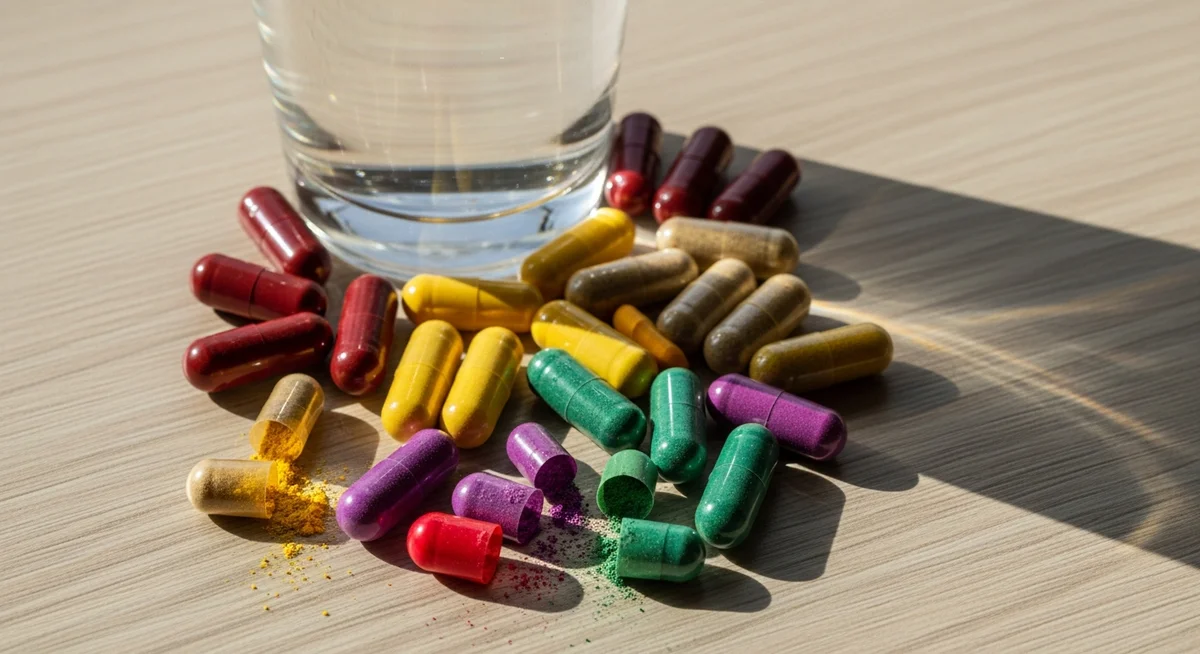
What Are the Antioxidant Supplements Benefits and Risks?
The primary benefit of antioxidants is their ability to stabilize cell-damaging free radicals, but clinical trials reveal that using high-dose supplements presents more health risks than disease-preventing rewards. Extensive research on aging populations indicates that while natural antioxidants in dietary patterns are highly protective, synthetic pill equivalents provide little to no shield against chronic disease. Understanding the specific findings across different health conditions helps clarify when these products fail and when they might actually help.
Do Antioxidants Prevent Cancer?
No, current clinical evidence does not support using antioxidant supplements to prevent cancer, and certain high-dose formulations actually elevate cancer risks. As noted by the National Institutes of Health (NIH), the U.S. Preventive Services Task Force in 2022 recommended against using beta-carotene or vitamin E supplements for cancer prevention. Their recommendation was based on extensive data showing that beta-carotene harms outweigh benefits, particularly for individuals already at high risk of lung cancer.
Large-scale clinical trial data highlights how specific antioxidant supplements perform in cancer prevention studies:
| Supplement | Participants Included | Cancer Impact | Primary Risk |
|---|---|---|---|
| Beta-carotene | Over 90,000 | No preventive benefit | Increased lung cancer risk in smokers |
| Vitamin E | 76,777 | No preventive benefit | No benefit found across five combined studies |
| Selenium | 35,533 (SELECT trial) | No preventive benefit | Slightly increased risk of prostate cancer |
Do They Protect Your Cardiovascular Health?
No, major cardiovascular clinical trials show that antioxidant supplements do not lower the rates of heart disease or stroke, and some may increase the risk of cardiovascular death. According to the Harvard T.H. Chan School of Public Health, randomized placebo-controlled trials offer little support that taking vitamin C, vitamin E, or beta-carotene protects your arteries. For example, in the Women’s Health Study, which followed 39,876 initially healthy women over 10 years, those taking 600 IU of natural source vitamin E every other day experienced no overall reduction in major cardiovascular events compared to those taking a placebo.
Key findings from cardiovascular studies on antioxidant supplements include the following:
- No overall event reduction: Multiple large-scale trials of vitamin E in patients with pre-existing heart disease have demonstrated zero preventive benefit.
- Increased mortality risk: High doses of beta-carotene supplements are linked to an increased risk of dying from cardiovascular disease.
- Niche mortality benefit: While the Women’s Health Study showed no drop in overall cardiovascular event rates, researchers did observe a 24% reduction in total cardiovascular mortality among those taking vitamin E.
Can They Slow Cognitive Decline and Dementia?
No, most short-term antioxidant supplement trials show no benefit for brain health, although long-term studies suggest a potential modest benefit from decades of consistent intake. For instance, the Physicians’ Health Study tracked male physicians over 18 years of follow-up and found that long-term beta-carotene supplementation was associated with a modest reduction in the rate of cognitive decline. However, shorter trials lasting only a few years have failed to show any cognitive protection or dementia risk reduction. Ultimately, health experts do not recommend relying on single-nutrient supplements to preserve brain function as you age.
What Is Their Impact on Eye Health?
Yes, specific antioxidant combinations can help slow the progression of advanced age-related macular degeneration (AMD), though they do not prevent cataracts or early-stage eye disease. Clinical evidence from the Age-Related Eye Disease Studies (AREDS and AREDS2) shows that a targeted daily supplement formula can preserve vision in people who already have intermediate or late-stage AMD. However, these benefits do not apply to the general population looking to prevent eye disease before it starts.
The scientific findings regarding antioxidants and vision health highlight distinct outcomes:
- AMD progression: The AREDS2 formula, which contains vitamin C, vitamin E, zinc, copper, lutein, and zeaxanthin, reduced the risk of progressing to advanced AMD by about 25% in high-risk patients.
- Cataract prevention: Clinical trials show that antioxidant supplements do not prevent cataracts or slow their development.
- Dietary advantages: Observational studies, including a 2023 study from the United Kingdom that followed 72,160 people for an average of nine years, showed that high dietary intakes of fruits and vegetables are associated with a lower risk of cataracts.
Can Antioxidant Supplements Be Harmful?
Yes, high-dose antioxidant supplements can cause significant harm by disrupting the body’s natural cellular defenses and interfering with critical medical treatments. While small amounts of antioxidants in foods are completely safe, the concentrated doses found in supplements can behave as pro-oxidants, causing the very cell damage you are trying to avoid. Additionally, they can cause serious adverse reactions when combined with prescription medications.
The potential health risks associated with high-dose antioxidant supplementation include:
- Interference with cellular signaling: Excessive antioxidant levels can disrupt essential cellular communication and block the body’s natural repair mechanisms.
- Drug interactions: Vitamin E supplements can act as mild blood thinners, which increases the risk of bleeding when taken with anticoagulant medications like warfarin.
- Increased mortality risk: Systematic reviews of clinical trials have linked high-dose beta-carotene, vitamin A, and vitamin E supplements to an increased risk of early death from all causes.
Why Are There Risks for Cancer Patients Undergoing Treatment?
Yes, taking antioxidant supplements during chemotherapy or radiation therapy is highly risky because these compounds can protect tumor cells from the therapies designed to destroy them. Cancer treatments often work by intentionally generating high levels of free radicals to damage and kill malignant cells. When patients consume high-dose antioxidant supplements, they may inadvertently shield the cancer cells, lowering the overall effectiveness of their medical regimen.
Oncology specialists advise cancer patients to avoid high-dose antioxidants during active treatment due to the following reasons:
- Reduced chemotherapy efficacy: Antioxidants can neutralize the therapeutic free radicals generated by chemotherapy drugs, allowing some cancer cells to survive.
- Decreased radiation success: Radiation therapy relies on oxidative damage to destroy localized tumors, a process that supplemental antioxidants directly counteract.
- Unpredictable tumor protection: Clinical research suggests that supplements do not distinguish between healthy cells and cancer cells, meaning they can inadvertently feed and stabilize tumor growth.
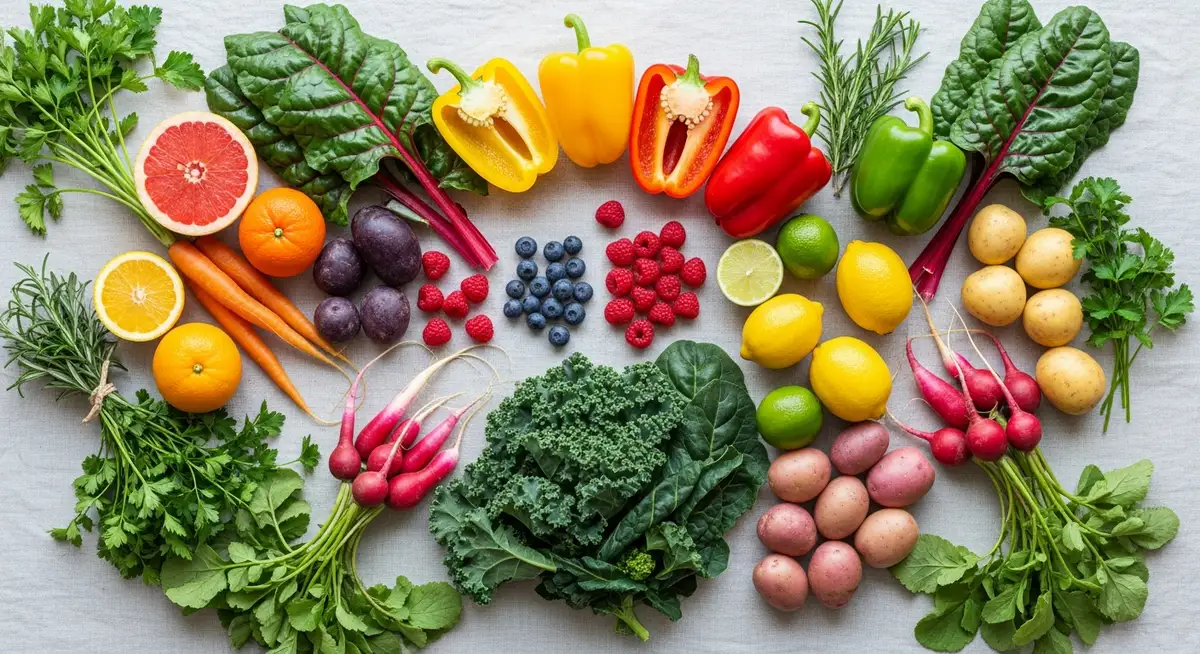
Why Do Supplements Fail While Whole Foods Succeed?
Supplements fail because they present isolated, purified chemicals at unnaturally high doses, whereas whole foods deliver a complex, balanced matrix of nutrients that work in harmony. When you eat fruits, vegetables, or whole grains, you consume a synergistic blend of fibers, minerals, and hundreds of different phytochemicals. The United States Department of Agriculture (USDA) retracted its public database of antioxidant food scores because simple laboratory test-tube measurements could not accurately predict how these complex food components behave inside the human body. This synergy cannot be replicated by compressing a single synthetic chemical into a gelatin capsule.
Scientists point to several reasons why whole foods outshine synthetic pills in clinical outcomes:
- Complex food matrices: Natural foods contain thousands of trace nutrients that assist in the absorption and proper metabolic processing of vitamins.
- Lifestyles of health-conscious eaters: People who consume high amounts of fruits and vegetables often engage in other beneficial habits, such as regular physical activity and routine medical exams, which also lower disease risk.
- Regulated absorption rates: The fiber in whole foods slows digestion, allowing your body to absorb antioxidants gradually rather than overwhelming your organs with a sudden spike.